Why a Fiber Security System Outperforms Traditional Security Systems
Wiki Article
Why Fiber Optic Security Systems Are the Future of Protection
The change to fiber optic protection systems notes a substantial advancement in the world of defense, driven by their remarkable data transmission abilities and durability to external interferences. As the landscape of safety advances alongside emerging innovations such as AI and IoT, the capacity for fiber optics to enhance and redefine safety and security infrastructures becomes progressively evident.Advantages of Fiber Optic Systems
One of the key benefits of fiber optic systems is their remarkable bandwidth capacity, which promotes the transmission of huge volumes of data over fars away without considerable loss. This characteristic is specifically beneficial for protection applications that need the constant monitoring and transfer of high-def video feeds, sensor information, and other crucial information. Optical fiber can accommodate the growing needs of contemporary security systems, making certain that data remains undamaged and reputable.Additionally, fiber optic cables are much less vulnerable to electro-magnetic interference, which can be a substantial problem in environments with numerous electronic tools. This resistance improves the honesty of the data being sent, thus minimizing the threat of data violations or system failures. Moreover, fiber optic systems are inherently more safe and secure than typical copper cords, as using a fiber optic line without discovery is extremely hard.
The toughness of fiber optic cables likewise adds to their charm. They are resistant to ecological variables such as moisture and temperature level fluctuations, minimizing upkeep costs and enhancing system long life. On the whole, these advantages placement fiber optic systems as a robust and effective option for contemporary security infrastructures, guaranteeing reliable and safe information transmission.
Boosted Data Transmission Speed
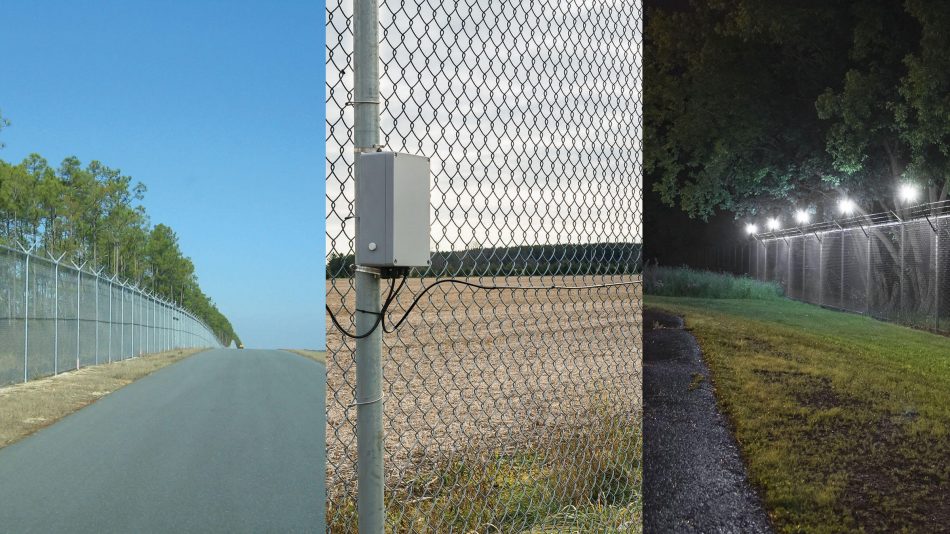
The ability to send large quantities of information quickly helps with the smooth integration of high-def video clip feeds and advanced analytics. Security systems can now process and analyze information in real-time, enhancing action times and situational recognition. In addition, fiber optic links sustain longer transmission ranges without deterioration of signal top quality, making them ideal for expansive security networks.
The increased rate of fiber optic systems not just boosts the efficiency of security operations yet also minimizes latency. This is specifically important in crucial circumstances where prompt decision-making can protect against safety and security breaches or alleviate potential threats. As companies remain to focus on safety and performance, the demand for quick and reputable information transmission will most certainly solidify fiber optic systems as a cornerstone of modern-day protection facilities.
Resistance to Disturbance
Fiber optic safety and security systems regularly show extraordinary resistance to electromagnetic disturbance, an essential advantage in environments prone to electronic sound. Unlike traditional copper cables, which can be negatively impacted by electromagnetic areas, superhigh frequency disturbance, and various other forms of electrical disruption, fiber optic wires use light to fiber security system send information. This fundamental home makes sure that the signals continue to be clear and unchanged, no matter bordering digital task.The use of glass or plastic fibers in fiber optic innovation creates an obstacle versus disturbance, permitting reliable data transmission also in difficult circumstances such as industrial facilities, city areas with high electronic website traffic, or locations near radio towers. This characteristic dramatically minimizes the possibility of signal deterioration or loss, making fiber optic systems especially appropriate for security applications where integrity and precision of information are paramount.
Furthermore, this resistance to disturbance improves the general efficiency and dependability of safety systems, making sure that surveillance and sharp systems operate flawlessly. In a globe where safety is increasingly intimidated by advanced innovations, the strength of fiber optic systems sticks out as a pivotal attribute, strengthening their status as a crucial component of modern protection framework.
Cost-Effectiveness Over Time
Substantial expense savings can be achieved in time with the application of fiber optic safety systems. While the preliminary investment may appear higher contrasted to typical copper-based systems, the lasting monetary advantages emerge through lowered functional and maintenance expenses (fiber security). Fiber optic cords are inherently a lot more sturdy and much less susceptible to environmental factors, which translates to decrease replacement and repair service costs over their life expectancyMoreover, fiber optic systems call for much less power to run, which further reduces energy prices. Enhanced information transmission abilities enable for fewer repeaters and amplifiers, decreasing devices financial investment and improving installation procedures. The scalability of these systems also adds to cost-effectiveness, as companies can increase their safety and security facilities without incurring substantial extra expenses.
Another variable to think about is the raised efficiency in tracking and response abilities that fiber optics provide. Boosted real-time information transmission can result in quicker event action times, potentially mitigating losses and liabilities connected with safety and security breaches. In sum, the long-term advantages of fiber optic safety systems not only justify the preliminary expenditure yet also place them as a monetarily sensible choice for companies seeking durable defense services.
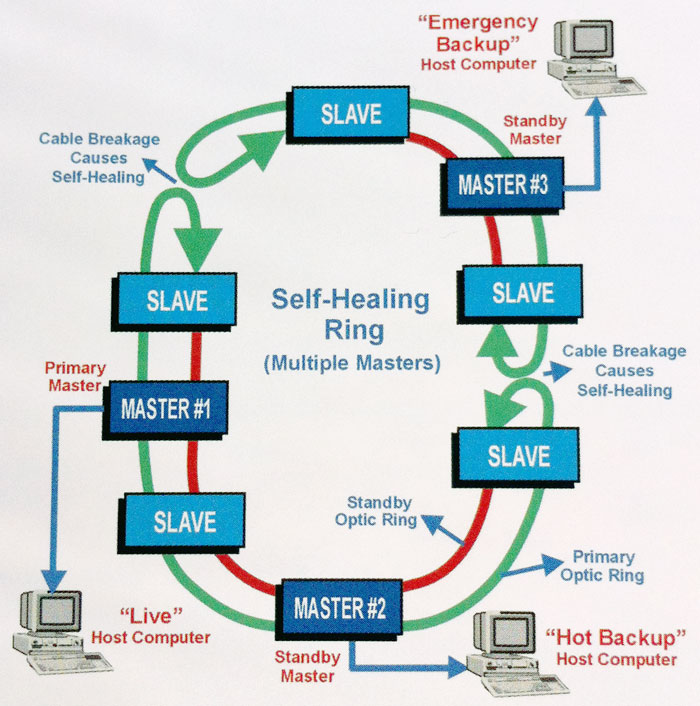
Future Technologies in Security
Progressing technologies are readied to reinvent security systems, incorporating expert system (AI) and maker understanding to enhance threat detection and response capacities. These advancements will certainly permit safety and security systems to examine huge quantities of information in real-time, recognizing patterns and abnormalities that indicate potential threats. This positive method will allow quicker decision-making and a lot more reliable case feedbacks.In addition, the incorporation of the Internet of Things (IoT) is leading the way for interconnected safety gadgets, using detailed security and monitoring. Smart sensing units can relay details about environmental adjustments, while automated notifies can notify security workers promptly of suspicious activities.
Additionally, the advancement of biometric modern technologies will certainly even more reinforce security devices. Face acknowledgment, finger print scanning, and retina recognition are ending up being much more sophisticated, giving layers of verification that are challenging to bypass.
Conclusion
Finally, fiber optic safety systems represent a substantial improvement in protection technology, supplying unequaled data transmission rate, resistance to electromagnetic disturbance, and long-lasting cost-effectiveness. As the need for advanced security remedies continues to expand, the combination of optical fiber with arising technologies such as AI, IoT, and biometrics will certainly even more enhance protection frameworks (fiber security). The mix of these advancements will certainly make sure a much more protected and responsive setting, strengthening fiber optics as a cornerstone of future security systemsReport this wiki page